Rural America spent decades stuck with terrible internet. Dial-up connections that died during phone calls. Satellite internet that cost a fortune and barely worked. DSL that couldn’t stream a video without buffering every thirty seconds. Entertainment options sucked because the infrastructure couldn’t support modern streaming. That’s changing fast now. Fiber optic cables are reaching remote areas. 5G towers are popping up in farming communities. Suddenly rural residents can access the same entertainment as city dwellers. This shift is transforming how millions of people spend their free time.
The Infrastructure Gap That Held Rural Areas Back
Cities got high-speed internet fifteen years ago. Rural areas got left behind completely. Internet service providers didn’t see profit in running cables to scattered populations. The math didn’t work for private companies so rural America got screwed. Government programs tried to fix the problem but moved slowly. Meanwhile rural residents paid premium prices for garbage service. A farmer paying $100 monthly for 5 Mbps download speeds while city residents got 500 Mbps for half that price.
What Changed to Accelerate Buildout
Federal funding finally arrived in meaningful amounts. Infrastructure bills allocated billions specifically for rural broadband. Private companies suddenly saw subsidized opportunities that made rural buildout profitable. COVID exposed how badly rural areas needed better internet. Remote work became essential overnight. The political pressure to fix rural internet became impossible to ignore. Construction timelines that would have taken twenty years are now happening in five.
Streaming Services Replace Traditional Entertainment
Rural households relied on satellite TV for decades. Limited channel selection, high costs, and weather interruptions made it frustrating. But it was the only option besides terrible antenna reception. Streaming services wanted rural customers but couldn’t serve them without bandwidth.
Netflix, Hulu, and Disney Plus now work perfectly in areas that couldn’t load YouTube videos three years ago. Rural families can finally cut cable and save money. They get better content selection than city dwellers had ten years ago. The entertainment gap closed completely once internet infrastructure arrived. Small town residents now binge the same shows at the same time as everyone else.
Gaming Goes Rural
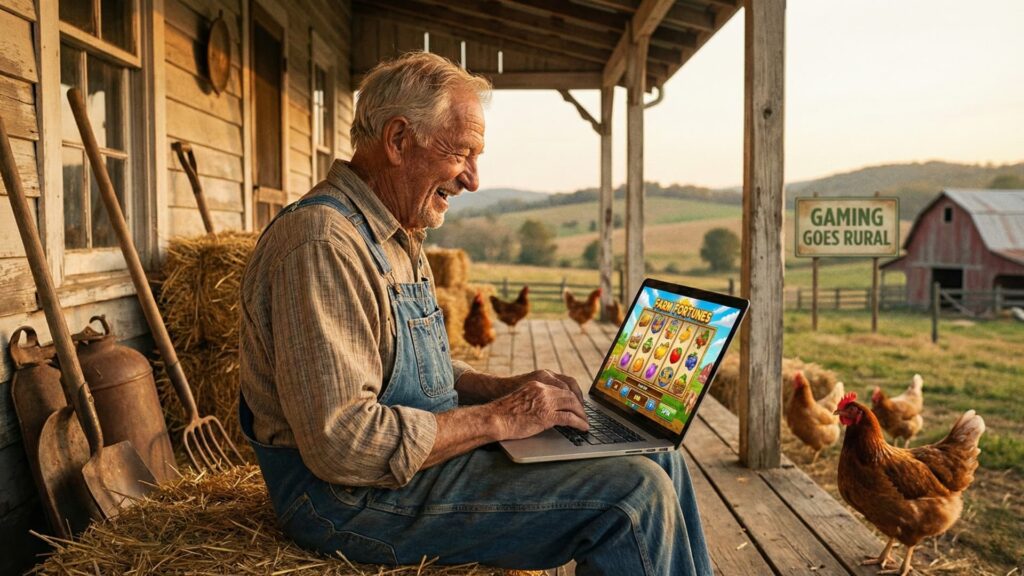
Online gaming required stable connections and low latency. Rural internet failed on both counts. Farmers and small town residents who wanted to game online faced constant frustration. Lag made competitive gaming impossible. Download speeds meant waiting days for new game releases.
Modern fiber connections changed everything. Rural gamers now compete at the same level as urban players. Fortnite and Call of Duty work perfectly. Game downloads finish in hours instead of days. Cloud gaming services like Xbox Game Pass become viable options. This opens massive markets gaming companies couldn’t reach before.
Casino Gaming Finds New Markets
Online casinos couldn’t serve rural markets effectively with old infrastructure. Slow connections made live dealer games unwatchable. Slot games loaded slowly and crashed frequently. Rural players existed but platforms couldn’t deliver good experiences to them.
Better broadband opened these markets completely. Casino platforms can now serve rural communities effectively. Live dealer games stream smoothly. Mobile apps work reliably. Payment processing happens instantly. Rural areas represent significant untapped markets for online entertainment. Gaming companies are rushing to capture these newly accessible customers.
Social Connection Through Better Internet
Rural isolation was always a real problem. Small communities offered limited social opportunities. Better internet changes this dynamic significantly. Video calls with family and friends now work reliably. Online communities connect rural residents with people sharing their interests. The social aspect of internet entertainment matters as much as the content itself in rural areas.
Education and Skill Development Opportunities
Rural students had limited access to advanced courses. Small schools couldn’t afford diverse curricula. Quality broadband enables online education that actually works. Rural students access the same courses as urban ones. Adults can learn new skills through online platforms. This levels the playing field dramatically and keeps talented people in rural communities.
Remote Work Enables Rural Living
Decent internet makes remote work viable in rural areas. People can now live in small towns while working for companies anywhere. This reverses decades of rural population decline. Entertainment infrastructure matters for attracting remote workers. Fast internet enables both work and play in rural locations.
Sports Streaming Replaces Cable Packages
Rural sports fans got terrible deals on cable packages. They paid for hundreds of channels to watch their team. Services like NFL Sunday Ticket and ESPN Plus now work perfectly in rural markets. Fans pay for what they actually watch instead of subsidizing irrelevant channels. This matters because rural communities bond around sports heavily.
Key Changes in Rural Entertainment Access
Better broadband transformed multiple aspects of rural entertainment completely:
- Streaming replaces satellite TV universally
- Online gaming becomes viable competitive option
- Casino platforms reach new rural markets
- Video calls enable social connections
- Remote work attracts new residents
- Online education levels skill access
- Sports streaming cuts entertainment costs
Each change compounds with others. Better entertainment makes rural living more attractive. More residents justify further infrastructure investment. The positive feedback loop accelerates rural connectivity improvements.
Economic Impact on Rural Communities
Entertainment infrastructure drives economic activity beyond just entertainment spending. Remote workers bring urban salaries to rural economies. Online businesses become viable from rural locations. Local businesses adapt to better connectivity with online ordering and expanded marketing. The economic benefits extend far beyond just watching Netflix.
Challenges That Still Exist
Not every rural area has fiber access yet. The divide between connected and unconnected rural areas creates new inequalities. Some regions might wait another decade for quality service. Costs remain higher in rural areas even with better speeds. Rural residents still pay more than urban customers for equivalent service in many cases.
What Comes Next for Rural Connectivity
5G expansion will reach areas fiber can’t economically serve. Satellite internet from Starlink fills gaps traditional providers ignore. Technology keeps improving and costs keep dropping. Virtual reality and cloud computing require massive bandwidth. Rural areas that get fiber now can support these technologies as they mature. The entertainment changes are just the beginning of rural digital transformation.
The Bigger Picture
Rural broadband expansion does more than enable entertainment. It fundamentally changes what’s possible in small town and rural living. People can work remotely, learn online, and stay connected socially. Entertainment access is just the most visible benefit of connectivity improvements.
The divide between rural and urban life is shrinking for the first time in decades. Technology that required city living now works anywhere with good internet. This shift will reshape population distribution and economic opportunity over coming decades. Rural communities that secure quality broadband early will thrive. Those that don’t will continue declining as young people leave for connected areas.